
Phone Down, Profit Up: Night Boundaries That Stop Doomscrolling and Boost Your Focus
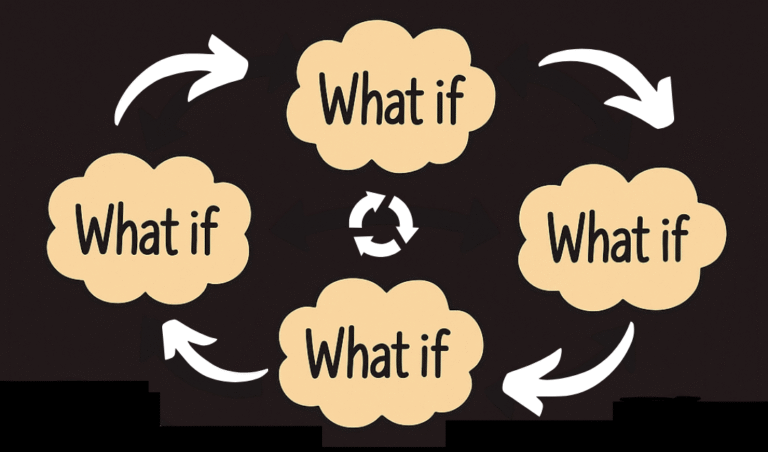
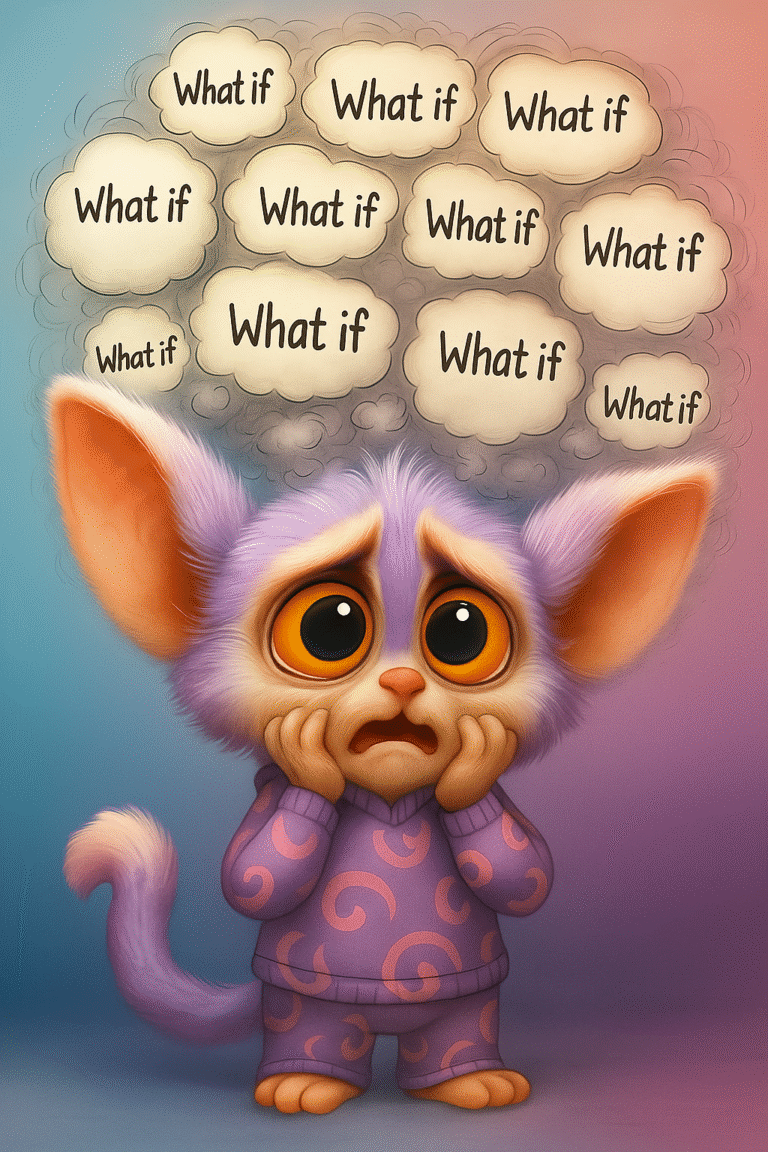
You finally sit down after bedtime chaos and late emails. You tell yourself you’ll scroll for five minutes while the kettle boils. Then boom, it’s an hour later, your jaw is tight, and your brain is auditioning worst-case scenarios like it’s American Idol.
Your phone is built to keep you hooked, especially when you’re tired. That’s why your thoughts race at lights-out, and sleep plays hard to get.
The fix is not more willpower. It’s simple, kind boundaries that protect your brain at night. If you’ve wondered how to stop doomscrolling at night, here’s the short answer: make decisions earlier, so 10 p.m. you doesn’t have to wrestle with your phone.
Picture this. A no-scroll window after 9:30. Your charger lives in the kitchen. You set a “last call” scroll at 9:15 with a boring timer sound, then you quit on purpose.
In this post, you’ll get fast, practical rules you can actually keep as a busy mom and entrepreneur. Things like the one-tab rule, a two-minute worry dump, and a nightstand basket that saves you from the doom spiral. You’ll fall asleep faster, wake up clearer, and stop feeding anxiety right before bed.
Ready to trade the stress-scroll for brain calm by bedtime? Good. We’ll set boundaries that stick, even on messy days.
Get my Worry Relief Journal, a 5-minute daily reset that trains your brain to stop spinning. 👉 Download here for free – simple tools, big relief.
What Doomscrolling Does to Your Already Busy Mom Brain
Your brain is already running payments, party invites, and pantry inventory. Add late-night doomscrolling, and it flips into overdrive. You go hunting for a little quiet, you get a loud chorus of worry instead. If you are working on how to stop doomscrolling at night, it helps to see what it actually does to your tired mind so you can set smarter boundaries.
Signs You’re Falling into the Nighttime Scroll Trap
You lose time, again. You sit for a “quick check” while the dishwasher runs. Next thing, the cycle finishes, your tea is cold, and you have no idea what you saw. That time-blindness is a red flag that your brain slipped into autopilot.
You feel wired and weirdly sad. You close the apps and your chest feels heavy. News, comparison, and hot takes stack up like laundry. Your mood drops, but your mind is buzzing, which is a rotten combo for sleep.
You wake up with a head full of new problems. Last night’s scroll planted ten fresh worries. School shootings, economy, that perfect founder on Instagram. By morning you feel like you lived three hard days in your head.
You keep chasing “one more hit” of info. You tell yourself you are staying informed. Really, you are refreshing for relief that never lands. That itch for the next post means your brain is hooked on uncertainty.
Why It Hits Harder When You’re Exhausted from Business and Family
All day, you hold everyone’s brains together. Emails, invoices, snacks, bedtime, a new offer idea, then the sock that bites your ankle at 9:17 p.m. Your energy is gone, and your brain wants easy dopamine. The scroll promises that. It lies.
Here is the quick science. When you are tired, your prefrontal cortex (the planner, the brakes) clocks out early. Your amygdala (the alarm system) gets louder. Add a feed full of threat and drama, and your stress hormone cortisol climbs. Cortisol is helpful in short bursts. At night, it keeps you alert, restless, and snappy. Sleep gets shallow, and your patience is toast by morning.
The algorithm also runs on variable rewards. That means sometimes you see something juicy, sometimes not. Your brain loves the surprise. It releases a little dopamine for the search itself, not the find. So you scroll for relief, but you only train your brain to want more scrolling. That is the emotional exhaustion loop. You feel drained, you seek a quick escape, your nervous system spikes, you sleep worse, repeat.
Blue light does not help. It tells your body it is daytime and slows melatonin, the hormone that cues sleep. Pair blue light with hot topics and a tired mind, and you get the perfect storm. You are not weak. You are human in a rigged system.
The fix is lower friction, not more grit. Decide earlier, when your brakes still work. Set a boring timer for your last scroll. Park the charger outside your bedroom. Give your mind a softer off-ramp, like a two-minute brain dump or a paper book. When you feel that “one more post” itch, call it what it is, a cortisol spike in a cute outfit. You can choose calm on purpose.
If you want a simple reset, grab the Worry Relief Journal. Five minutes, less spin, more sleep. It is one small move that supports everything else while you work on how to stop doomscrolling at night.
Simple Boundaries to Stop Doomscrolling and Find Brain Calm Tonight
You do not need a full digital detox. You need small, boring rules that make late-night scrolling harder and calm easier. If you are working on how to stop doomscrolling at night, start here. These boundaries lower noise, protect your attention, and help you close the day without inviting chaos into bed.
Set a No-Phone Zone in Your Bedroom for Instant Relief
Your bedroom should signal rest, not work. When your phone sleeps somewhere else, your brain stops looking for pings, trends, and “urgent” client DMs that are not actually urgent at 10 p.m.
Try this simple setup:
- Charge your phone outside the bedroom, like in the kitchen or hallway.
- Use a cheap alarm clock. One job, no notifications.
- Remove visual triggers. No charger on the nightstand, no tablet propped up, no smartwatch lighting up at 1 a.m.
Why it works:
- Fewer cues, calmer brain. When you do not see the phone, your brain does not start planning for it. Out of sight, out of habit.
- No notification roulette. Late-night business alerts spark “fix it now” energy. Your problem-solving brain wakes up, and sleep clocks out.
- Better sleep signals. Without blue light and hot topics, your melatonin can do its job and your nervous system unwinds.
Quick example routine for moms:
- 8:45 p.m. Final check for messages that actually matter. Reply to anything that would keep you up worrying.
- 9:00 p.m. Phone goes to its charging spot outside the bedroom. Set tomorrow’s alarm on the clock, not the phone.
- 9:05 p.m. Prep your “wind-down trio” on the nightstand: water, paper book, pen and small notepad.
- 9:15 p.m. Two-minute worry dump on paper. Capture to-dos, kids’ stuff, invoices to send. Close the loop so your brain stops tugging your sleeve.
- Lights low by 9:30 p.m. Bedroom is a scroll-free zone, full stop.
If you tend to “just grab it for one thing,” put a sticky note on the bedroom door that says: “Sleep or scroll?” That pause often saves your night.
Swap Scroll Time for Quick Calm Habits That Fit Your Schedule
You need replacements, not just restrictions. Your brain needs a new groove that says, this is how we power down. Short, screen-free habits do that fast, even on busy nights.
Pick one five-minute swap:
- Box breathing (5-5-5-5). Inhale for 5, hold for 5, exhale for 5, hold for 5. Repeat for 5 minutes. It lowers the alarm in your body and settles racing thoughts.
- Read a physical book. Nothing spicy. Think memoir, cozy fiction, or a chapter you can finish in ten minutes. Paper keeps your eyes and brain off alerts.
- Light stretching. Neck rolls, hip openers, hamstring stretch. Slow moves cue safety and tell your body it is time to land.
- Tense and release. Squeeze your fists for 5 seconds, release. Shrug shoulders up, release. Work down the body. It flushes stress and invites a heavy, sleepy feel.
Where it fits in your actual life:
- After the kids are down, do two minutes of tidy, then sit. Five minutes of breathing. Five pages of a book. Then, if you must, a short planning block for your business. By the time you plan, you are calmer and wiser, not wired and reactive.
- If you plan first, cap it with a “calm finisher.” One relaxing habit seals the day and keeps your brain from sneaking back to Slack in your head.
Why it trains your brain:
- Predictable cues build automatic calm. Same steps, same time, lower effort night after night.
- You break the reward loop. Your brain learns that relief comes from breath and paper, not the next headline.
- You get a quick win. Five minutes is doable even when your knees sound like velcro and the dishwasher is judging you.
Try this tonight:
- Set a 9:15 p.m. last-check timer.
- Park the phone outside the bedroom.
- Do one five-minute calm habit.
- Open your book. Lights low. That is it.
Get my Worry Relief Journal, a 5-minute daily reset that trains your brain to stop spinning. 👉 Download here for free, simple tools, big relief.
Real Results: How These Boundaries Cut Worry and Boost Your Next Day
You do not need perfect nights to feel better tomorrow. You need proof that your boundaries work. When you track even tiny shifts, your brain starts trusting you. That trust lowers worry at bedtime and gives you fresher focus for school runs, client calls, and the actual work you care about.
Here is the kicker. When you measure it, you improve it. A 30-second check-in can slice bedtime anxiety, shorten sleep latency, and make you a nicer human by 9 a.m. Not because you tried harder, but because you trained your attention where it counts.
What can you expect when you stick to your bedtime phone rules at least five nights a week?
- Less morning drag. You get up faster, with fewer snooze battles.
- Cleaner thinking. Fewer tabs open in your head, less “what did I miss?” fog.
- Calmer body. Lower heart rate before lights out, fewer stress spikes.
- Better follow-through. When you sleep, you keep promises to yourself tomorrow. That is the momentum loop.
If you are wondering how to stop doomscrolling at night and not slide back on day three, the next step makes it stick.
Track Your Wins to Build Momentum as a Busy Entrepreneur Mom
You are juggling a lot. So this is simple and fast. You will track feelings, not perfection. Your only job is to notice the win.
Use one of these tracking methods:
- Two-line journal. On a sticky note or notebook, write: “Phone parked by 9:15?” and “How did my body feel at lights out?” Circle yes or no, then add one word like heavy, buzzy, calm, wired.
- Habit app. Pick a checkbox habit named “No-scroll after 9:30.” Bonus habit: “Two-minute worry dump.” Tap it done. Done counts.
- Bedside score. Rate your bedtime stress from 1 to 5. Keep the card in your nightstand. Low tech wins when you are tired.
Make it visible so your brain cannot ghost it:
- Put the journal on your pillow after dinner.
- Add the habit widget to your phone’s first screen, top left.
- Use a cheap pen you like. Friction kills habits. Easy pens save lives.
What to track, in under a minute:
- Did you do your last check by 9:15? Yes or no.
- Did the phone sleep outside the bedroom? Yes or no.
- How did you feel in bed? One word.
- Morning check: Was getting up easier, same, or harder?
Why this works for your overloaded brain:
- Small wins fuel motivation. Your brain loves streaks. Even three nights in a row kicks off “I am the person who does this.”
- Feelings drive behavior. When you see “calm” show up more often, your brain links phone boundaries to relief. That makes saying no to late scrolls easier.
- Data tames drama. The numbers soften the 2 a.m. committee in your head. You are not failing, you are learning what helps you sleep.
Example entry:
- “9:15 last check: yes. Phone in kitchen: yes. Bedtime mood: heavy-calm. Morning: easier.” That is a win. You stack those.
If a day blows up, reset fast:
- Call it “one skipped rep,” not a spiral.
- Ask, “What is the smallest move I can keep tonight?” Maybe it is just parking the phone in the hallway. Good enough.
Get my Worry Relief Journal, a 5-minute daily reset that trains your brain to stop spinning. 👉 Download here for free, simple tools, big relief.
Conclusion
You wanted brain calm by bedtime, not a 10 p.m. panic parade. The fix is simple, not fancy. Decide early, set a no-phone zone, do a tiny worry dump, and pick one five-minute calm habit. Park the charger outside your bedroom, use a boring alarm clock, and cap late-night “research” with a last-check timer. That is how to stop doomscrolling at night without wrestling your willpower.
Start tonight. One step only. Set a 9:15 last check, then walk your phone to the kitchen. Sit, breathe for five rounds, and write three lines on paper. You will feel the edge come off fast. That small win is the proof your tired brain needs.
You do not have to fix every habit to sleep better. You only need one boundary you keep most nights. The calm you want at lights-out comes from the decisions you make at 9 p.m., not when your eyes are half-closed and your amygdala is throwing confetti.
You have built harder things than this. Give yourself the easy path to rest, so tomorrow’s you has a clearer head and a shorter to-do list.
Get my Worry Relief Journal, a 5-minute daily reset that trains your brain to stop spinning. 👉 Download here for free, simple tools, big relief..